Surface Preparation That Ensures Coating Adhesion
Sand Blasting in Monongahela for Removing Rust, Paint, and Surface Contaminants
Coating failure begins with inadequate surface preparation, as rust, mill scale, old paint, and contamination prevent new coatings from bonding regardless of product quality. Abrasive blasting removes these barriers by propelling media at high velocity to clean metal, concrete, and masonry substrates down to bare material. Select Painting & Services performs sand blasting across Monongahela for industrial equipment, structural steel, concrete surfaces, and commercial buildings where mechanical or chemical cleaning cannot achieve the profile needed for durable coating adhesion.
The blasting process uses compressed air to accelerate abrasive media against surfaces, stripping away rust, paint layers, and oxidation while creating microscopic texture that improves coating grip. Media selection depends on substrate hardness and desired profile depth, with coarser abrasives removing heavy buildup and finer media providing smoother finishes. Containment and dust control protect surrounding areas during blasting operations, particularly on commercial properties or residential sites where overspray must be managed.
Contact the office at (724) 797-0613 to discuss surface preparation requirements and blasting specifications for your project.
What Sand Blasting Actually Accomplishes
Abrasive blasting creates clean, profiled surfaces that allow industrial coatings to develop full adhesion strength and long-term durability. The process removes not just visible rust or paint but also invisible contaminants like oil, salts, and oxidation that compromise coating performance. Surface profile depth affects how well coatings anchor mechanically, with deeper profiles providing more surface area for bonding but requiring thicker coating systems to fill valleys and achieve uniform coverage.
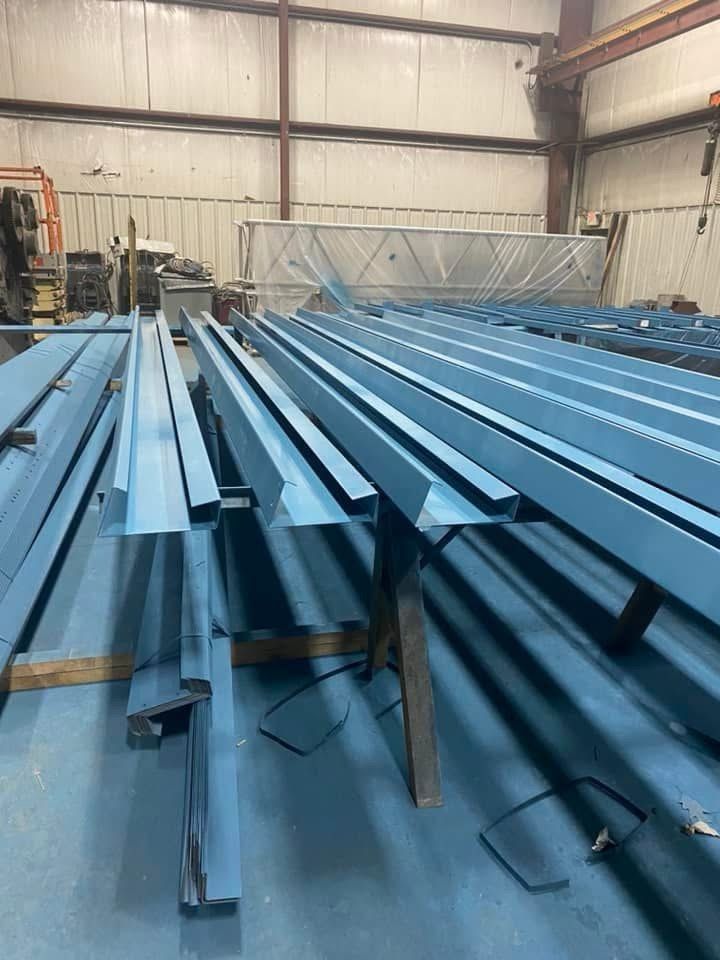
After blasting, metal surfaces show bright, uniform appearance without rust staining or pitting, concrete reveals clean aggregate without laitance or coatings, and previously painted structures display bare substrate ready for primer application. The cleaned surface must be coated quickly, as flash rusting occurs within hours on bare steel exposed to humidity, making coordination between blasting and coating application critical for project success.
Sand blasting addresses industrial equipment, structural beams, metal railings, concrete floors, masonry walls, and commercial building exteriors, though delicate substrates like wood or thin sheet metal may require gentler preparation methods. The service includes containment setup, abrasive blasting, and site cleanup, with coating application scheduled immediately after preparation to prevent surface re-contamination or oxidation.
What Property Owners Usually Ask
Understanding blasting methods, surface profile requirements, and timing considerations helps property owners plan restoration or coating projects effectively.
What surfaces can sand blasting clean effectively?
Steel, cast iron, concrete, brick, stone, and other hard substrates respond well to abrasive blasting, while softer materials like wood or aluminum require lower pressure and finer media to avoid surface damage.
How does blasting improve coating performance compared to other preparation methods?
Abrasive blasting removes contaminants more completely and creates deeper surface profile than sanding or chemical stripping, resulting in stronger mechanical adhesion and longer coating life under demanding conditions.
When should surfaces be coated after sand blasting?
Bare steel begins oxidizing immediately after blasting, requiring primer application within four to eight hours in humid conditions to prevent flash rust that compromises adhesion and coating integrity.
Why does surface profile matter for industrial coatings?
Profile depth determines how well coatings anchor mechanically, with insufficient profile causing premature delamination and excessive profile requiring thicker coating systems to achieve proper coverage and film build.
What blasting applications are common in Monongahela and surrounding Pennsylvania communities?
Equipment restoration, structural steel preparation, concrete floor profiling before epoxy application, and building facade cleaning all use abrasive blasting to achieve preparation standards that mechanical methods cannot match.
Select Painting & Services handles surface preparation and coating work across residential, commercial, and industrial applications using professional equipment and safe work practices. Arrange an evaluation to determine the preparation method and coating system appropriate for your surface restoration needs.